Hernia Surgery

Permanent Solutions for All Types of Hernias at The Happy Gut Clinic, Greater Kailash-1

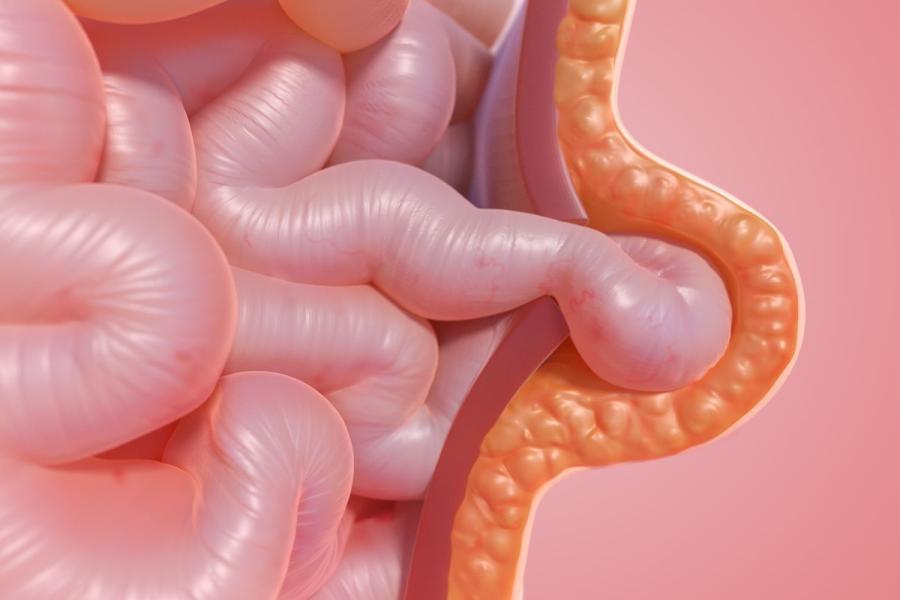
A hernia occurs when an organ or fatty tissue squeezes through a weak spot in a surrounding muscle or connective tissue (fascia). While some hernias are painless, they never go away on their own. Over time, they tend to grow larger and can lead to life-threatening complications.

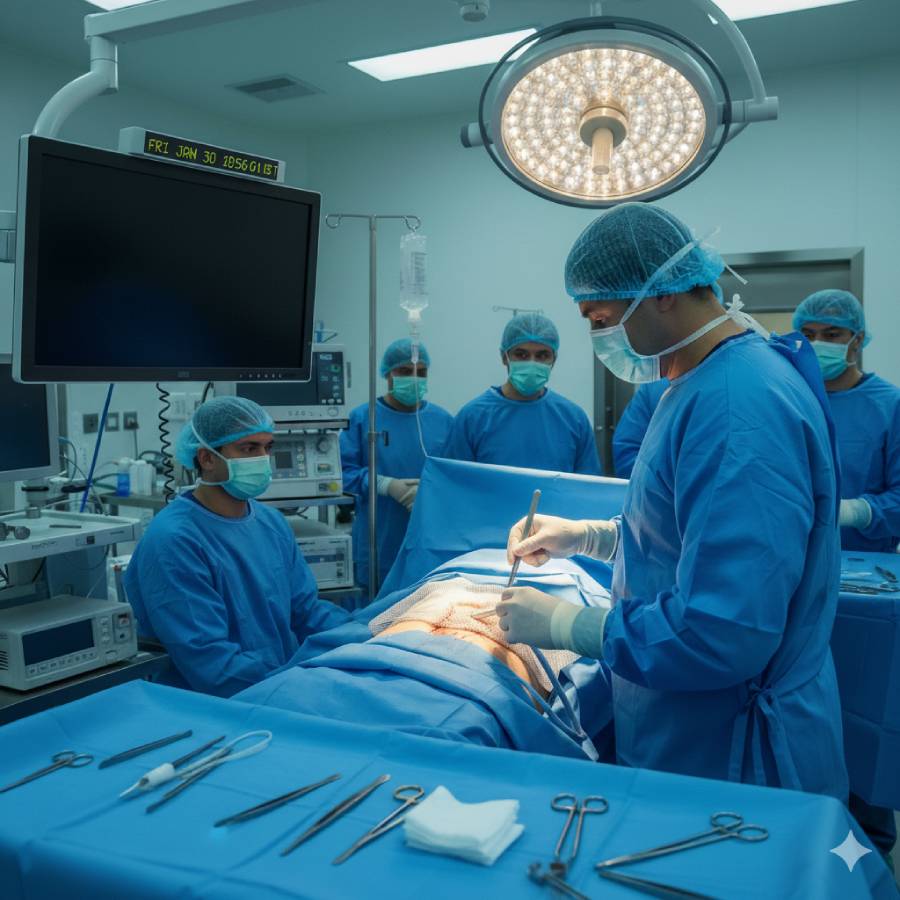
At The Happy Gut Clinic, we specialize in “Tension-Free” hernia repairs. Led by Dr. Jayadatt Pawar (Robotic & Laparoscopic Specialist) and Dr. Subhashis Das (GI Surgeon), our team utilizes the most advanced surgical mesh and robotic technology in New Delhi to ensure a high-strength repair with the lowest possible risk of recurrence.

Types of Hernias We Treat:

Understanding which type of hernia you have is the first step toward the right treatment. Our surgeons are experts in managing:

Inguinal Hernia (Groin Hernia)

The most common type, occurring in the groin area. It is more frequent in men and occurs when the intestine or fat pushes through the inguinal canal.
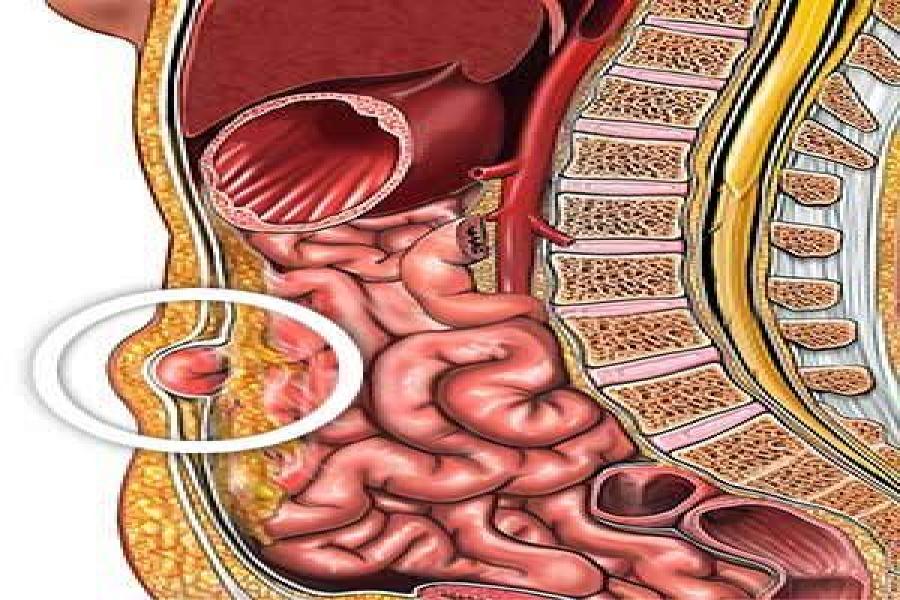
Epigastric Hernia

Occurs in the upper abdomen, between the belly button and the breastbone.
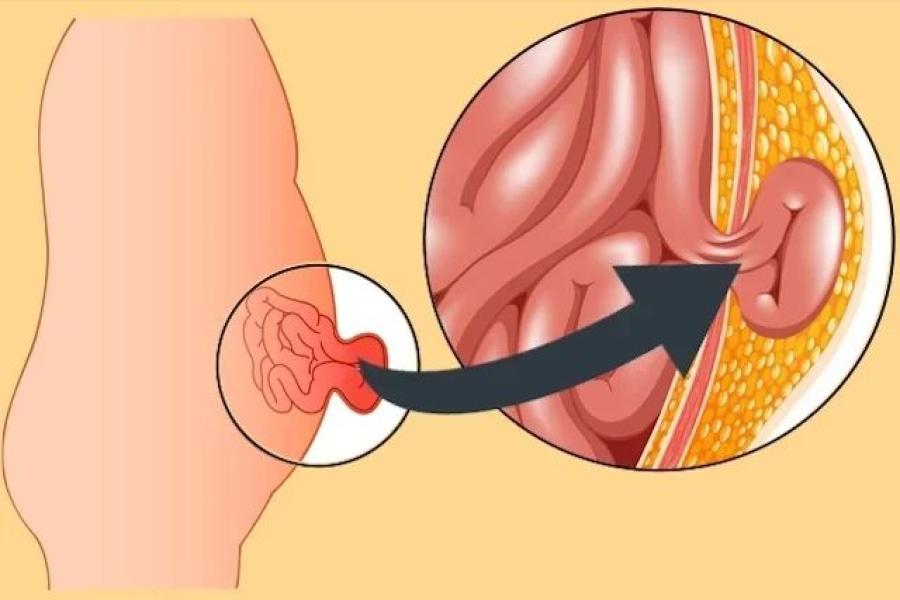
Umbilical Hernia

Occurs at the belly button (umbilicus). These are common in infants but also occur in adults due to abdominal strain, pregnancy, or obesity.
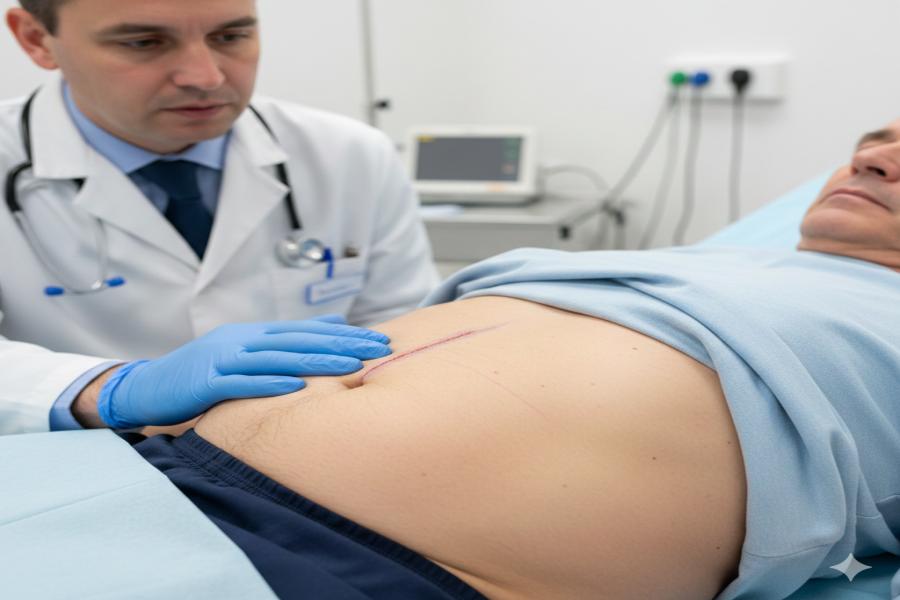
Incisional Hernia

These occur at the site of a previous surgical scar. If the abdominal wall did not heal perfectly after a past surgery, the intestine can push through the weakened area.
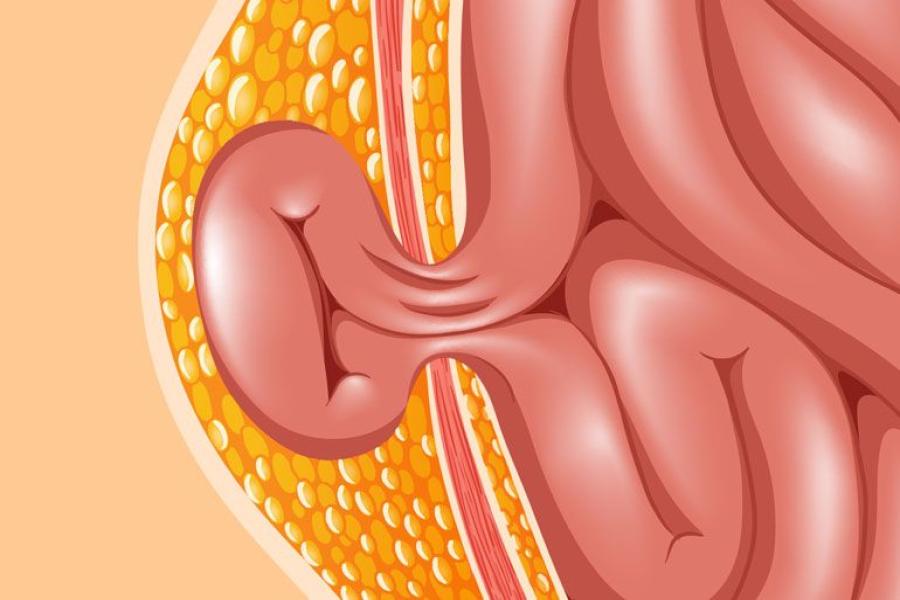
Femoral Hernia

Less common than inguinal hernias, these appear just below the groin crease. They are more common in women and carry a high risk of "strangulation" (cutting off blood supply).
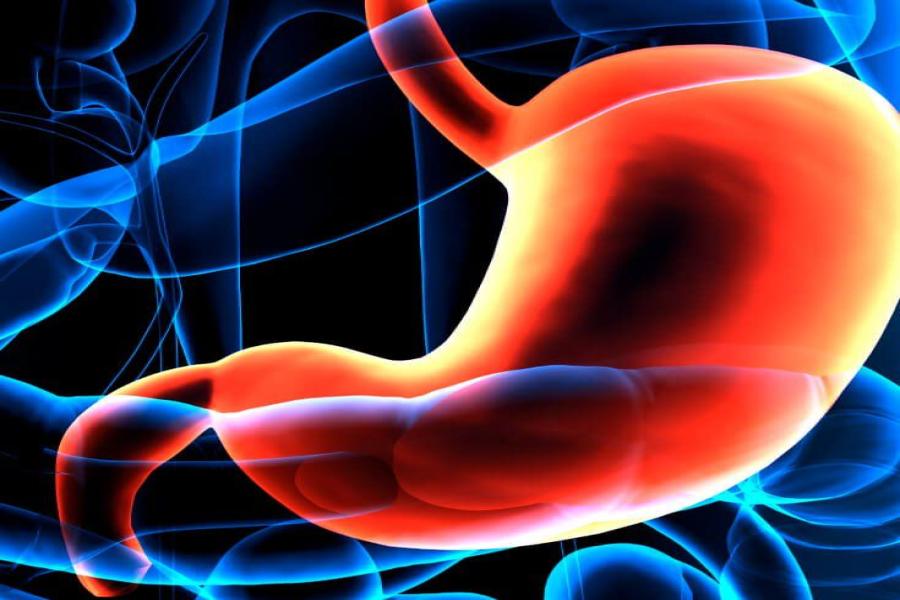
Hiatal Hernia

A specialized type where the stomach pushes upward into the chest through the diaphragm. We provide dedicated Robotic Hiatal Hernia Repair for chronic reflux sufferers.
Emergency Complications: Why You Shouldn't Wait?

A hernia is not just a “bulge.” If left untreated, it can lead to two dangerous complications:

  • Incarceration: This happens when the contents of the hernia (usually the intestine) become trapped in the abdominal wall and cannot be pushed back in. This often causes severe pain, nausea, and vomiting.
  • Strangulation: This is a surgical emergency. The blood supply to the trapped intestine is cut off. If not operated on within hours, the trapped tissue can die (gangrene), leading to life-threatening sepsis.

At The Happy Gut Clinic, we prioritize early elective surgery to prevent these emergencies.

Our Advanced Surgical Approaches:

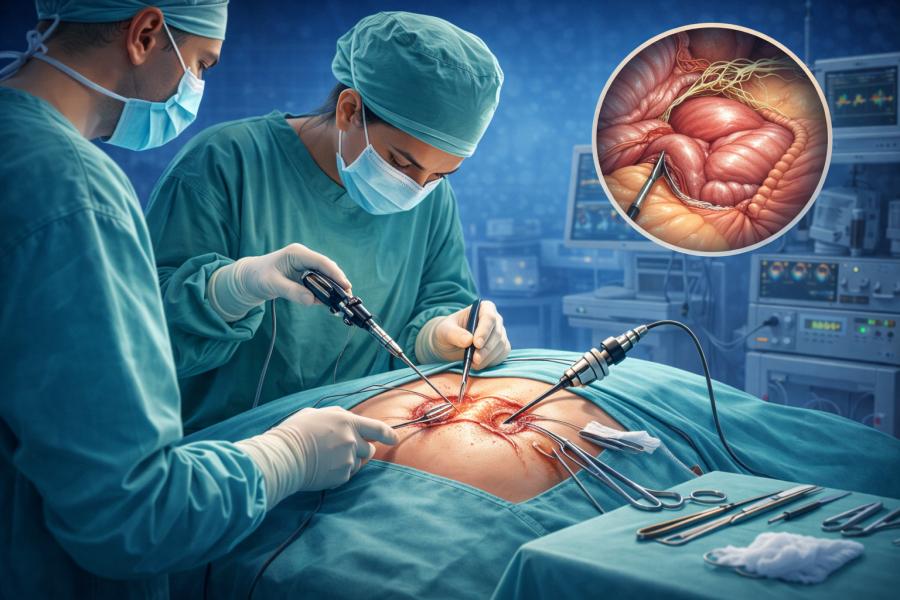
Laparoscopic Hernia Repair (Keyhole Surgery):

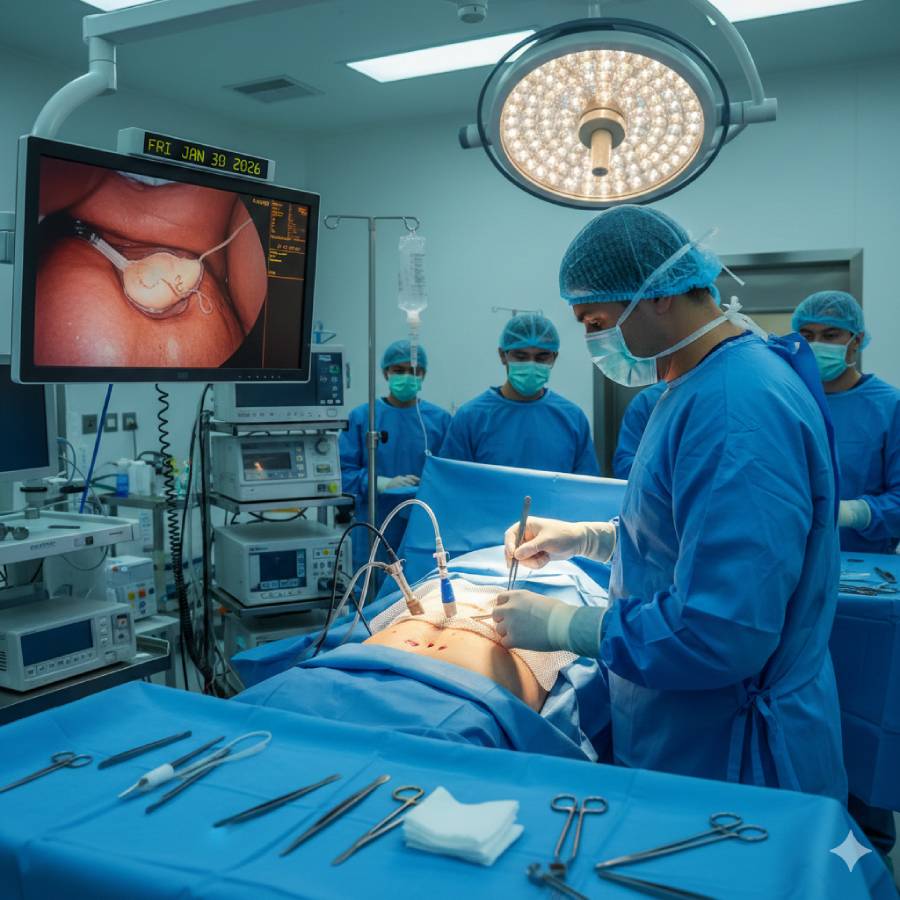
Using 3 tiny incisions, we repair the hernia from the inside. We use a high-definition camera to place a specialized surgical mesh over the weak spot.

The Advantage:

Because the mesh is placed behind the muscle (the pre-peritoneal space), the natural pressure of the abdomen helps keep the mesh in place. This results in less pain and a faster return to physical activity.

Robotic-Assisted Hernia Surgery:

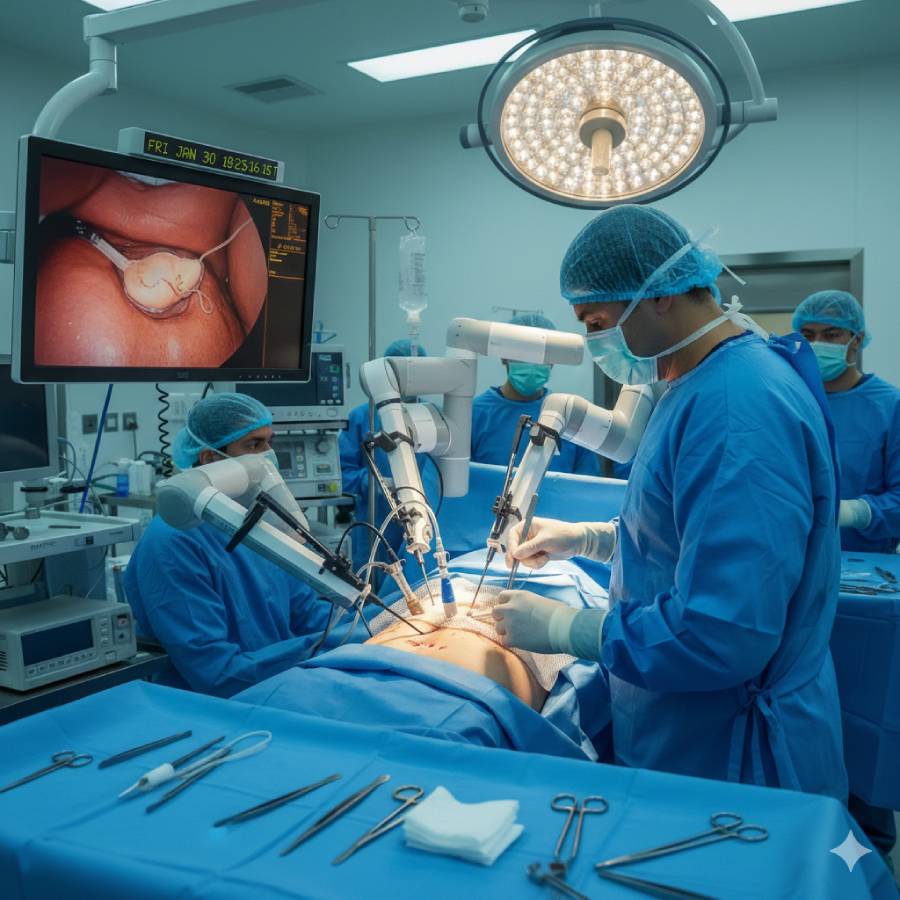
For complex hernias—such as large incisional hernias or recurrent hernias that have failed previous surgeries—Dr. Jayadatt Pawar utilizes robotic precision (daVinci / Hugo RAS).

  • 3D Visualization: Allows for meticulous dissection of scar tissue from previous surgeries.
  • Precision Suturing: The robot allows the surgeon to “sew” the abdominal wall muscles back together (Abdominal Wall Reconstruction) with far greater strength than traditional laparoscopy.
Open Hernia Repair (Lichtenstein Technique):

While we specialize in minimally invasive care, some patients with very large hernias or specific medical conditions may be better suited for an open repair. We use “tension-free” mesh techniques to ensure maximum comfort.

Why Choose The Happy Gut Clinic for Hernia Care?

  • Tension-Free Repairs: We use the latest generation of “lightweight” and “self-gripping” meshes that integrate into your natural tissue without causing the “stiffness” associated with older mesh types.
  • Dual-Expert Review: Every complex hernia is reviewed by both Dr. Jayadatt Pawar and Dr. Subhashis Das to ensure the most durable surgical plan.
  • Aesthetic Focus: Our minimally invasive approach ensures tiny scars that fade over time, which is particularly important for umbilical and inguinal repairs.
  • Rapid Recovery (ERAS): Most of our hernia patients are discharged within 24 hours and can return to light office work within 3–5 days.

Recovery: Returning to Your Active Life

Post-operative care is vital for preventing the hernia from coming back:

  • First 48 Hours: You will be encouraged to walk and move immediately to promote healing.
  • Lifting Restrictions: We provide a clear timeline for when you can return to the gym or lift heavy weights (usually 4–6 weeks for full-intensity activity).
  • Bowel Health: We provide a “Happy Gut” high-fiber plan to prevent constipation, as straining can put pressure on the new repair.

Frequently Asked Questions (FAQ's):

No. A hernia is a mechanical hole in the muscle. Exercise can actually make it larger by increasing abdominal pressure. A belt (truss) may provide temporary support but does not fix the problem.

Modern “lightweight” meshes are designed to be flexible and biocompatible. Most patients completely forget the mesh is there within a few weeks of surgery.

With robotic and laparoscopic mesh repairs performed by experienced surgeons like ours, the recurrence rate is extremely low (less than 1–2%).

Contact Details

 Ground floor, R 17, Hansraj Gupta Rd, near Vistech Eye Center, Greater Kailash-1, Block R, Greater Kailash I, Greater Kailash, New Delhi, Delhi, 110048

 8438283406 / 8383010836

 info@happygutclinic.co

 Mon-Sat: 5:00 pm – 8:30 pm

Map Location

Your health is important to us.

Share your enquiry using the form below, and we’ll respond at the earliest.

Book An Appointment